
Why your couch is a better therapy room than mine
Stay with me.
Every couples therapist will tell you that showing up is half the work. But they usually mean emotionally showing up. What nobody talks about — what I've watched quietly derail real, motivated couples — is the sheer physical logistics of getting two busy people to one office, on one couch, at the same time, twice a month.
That's not a small thing. That's the thing.
So when I started doing remote couples therapy, I expected it to feel like a compromise. A workaround. A “better than nothing.” But then something strange happened.
Couples started opening up faster.
Not a little faster. Noticeably, consistently faster.
There's a concept in neuroscience worth knowing here. When the brain detects threat — a new environment, a stranger's office, the performance pressure of sitting two inches from your partner while trying to articulate your deepest wounds — it shifts resources toward threat detection and away from reflection. You're not less intelligent. You're just in mild survival mode. And mild survival mode is a terrible headspace for the kind of honest, vulnerable conversation that actually moves a relationship forward.
But in your living room? Or your bedroom? Or, yes, your car during a lunch break? Your nervous system already has the data. This place is safe. And that shift, from guarded to open, can happen before I even say hello.
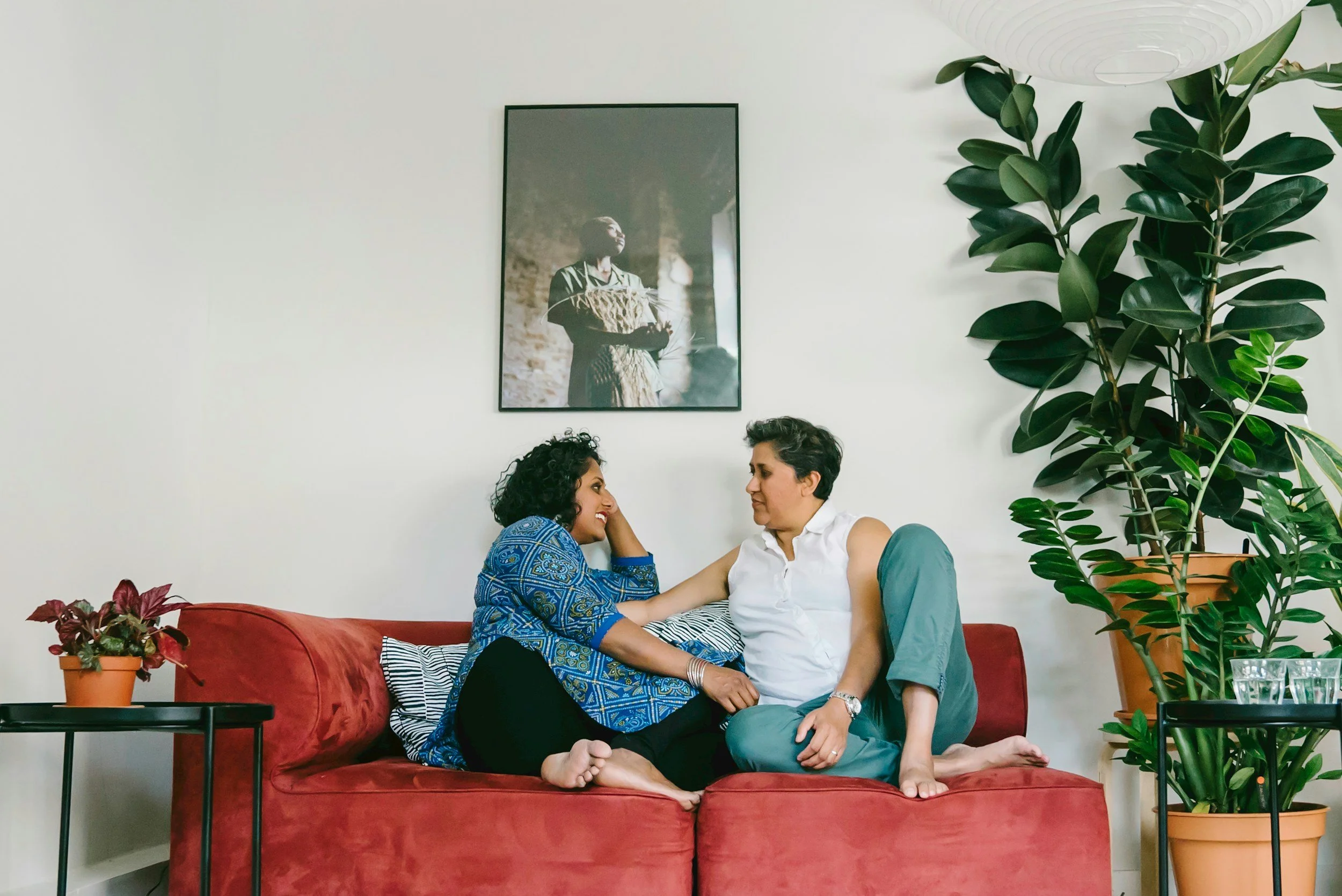
That said, remote therapy isn't for everyone. There are couples for whom being in the same physical space with a therapist present creates a containment that feels necessary. And that's a legitimate clinical need.
But here's where I want to push back on the conventional wisdom a little.
High-conflict couples navigating betrayal, chronic anger, and that particular silence that's somehow louder than screaming are often told they need the formality of an office. The structure. The authority of an in-person presence.
In my experience? Sometimes the screen creates the exact amount of distance that makes a difficult conversation survivable. You're in your space. Your partner is in theirs. You can breathe without feeling watched. You can pause without it feeling like withdrawal. The conversation doesn't have to happen at a therapist's pace; it can happen at yours.
And then there's a detail nobody writes about.
When couples do therapy remotely — in the same home where they argue, cook dinner, put the kids to bed, lie awake — the skills don't stay in the session. They're already embedded in the context where they need to work. I've had couples reach out a week after a session with something like: "We were about to spiral, and we both just... paused. And it worked." That's not a coincidence. That's context transfer. The tools live where the problems live.
None of this means remote therapy is categorically better. It means it's different in ways that matter, and those differences are worth knowing before you assume the couch in my office is more legitimate than the one in yours.
If scheduling has kept you from starting, that's a solvable problem. If geography has kept you from finding someone who actually specializes in couples work, that's a solvable problem. If one of you travels, or one of you is deployed, or you're two people in the same city who can never get to the same place at the same time — all of that is a solvable problem.
The real question isn't where you do the work.
It's whether you're ready to do it.
And if you are — even a little bit, even just enough to be reading this — your couch might be exactly the right place to start.
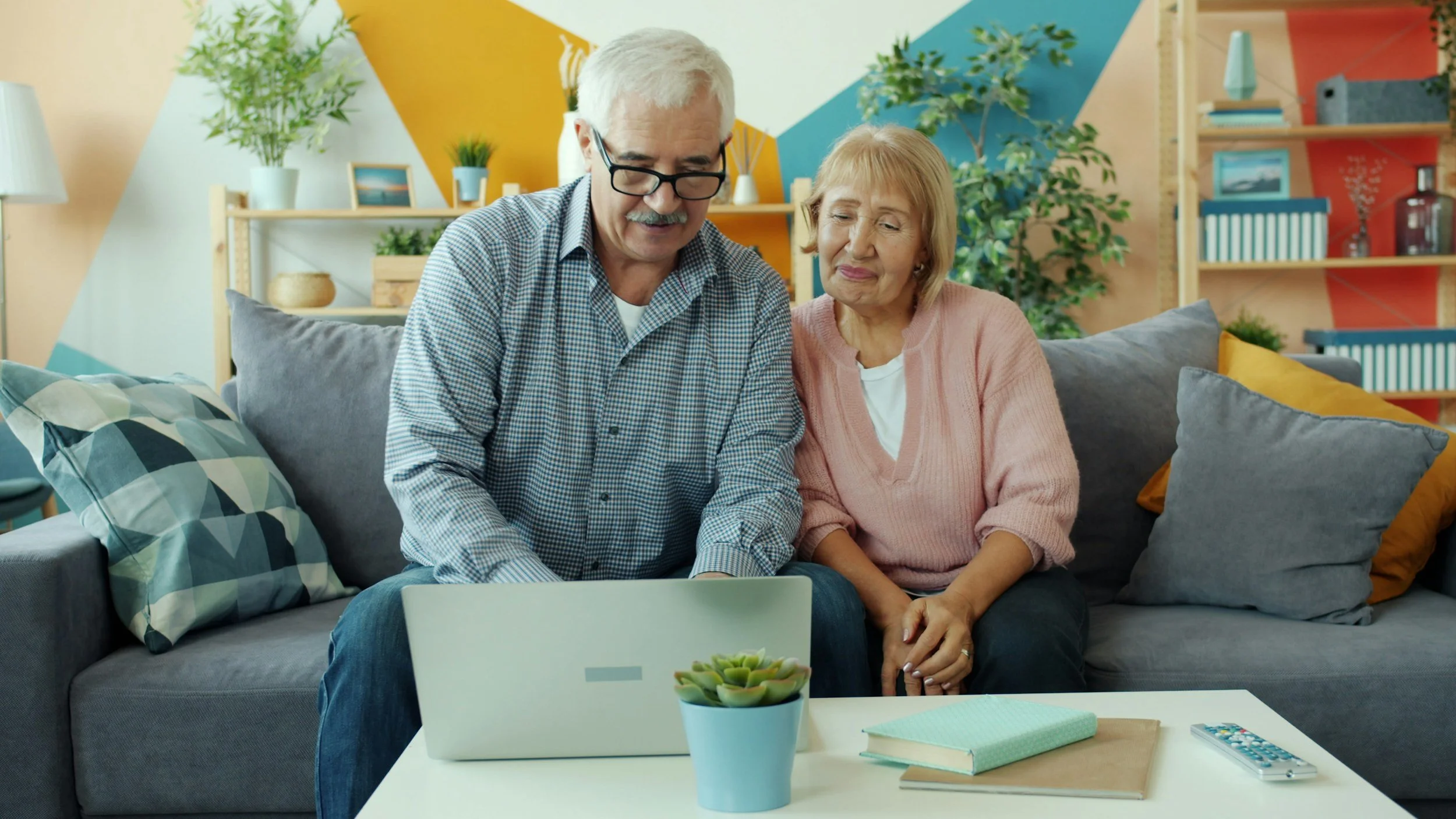
Curious if remote couples therapy is right for you?
I offer free 15-minute consultations: no pressure, no commitment. Just a conversation about where you are and whether this might help. Reach out when you're ready.